Sneezing, a blocked nose and watery eyes that get worse at home, especially in the morning, are often a sign of an allergy to dust and dust mites. Dust mites can never be removed from a home completely, but proper, regular cleaning can reduce their number significantly.
What dust mites are and why they cause problems
Dust mites are tiny creatures, invisible to the naked eye, that feed on flakes of human skin. They thrive in warm, humid conditions, so they live mostly where we spend a lot of time – in bed, on the sofa and in textiles. Allergic reactions are caused not by the mites themselves but by their residues, which mix with house dust and are easily stirred up into the air.
Where dust and dust mites collect the most
- Mattresses, pillows and duvets – where we spend several hours every night.
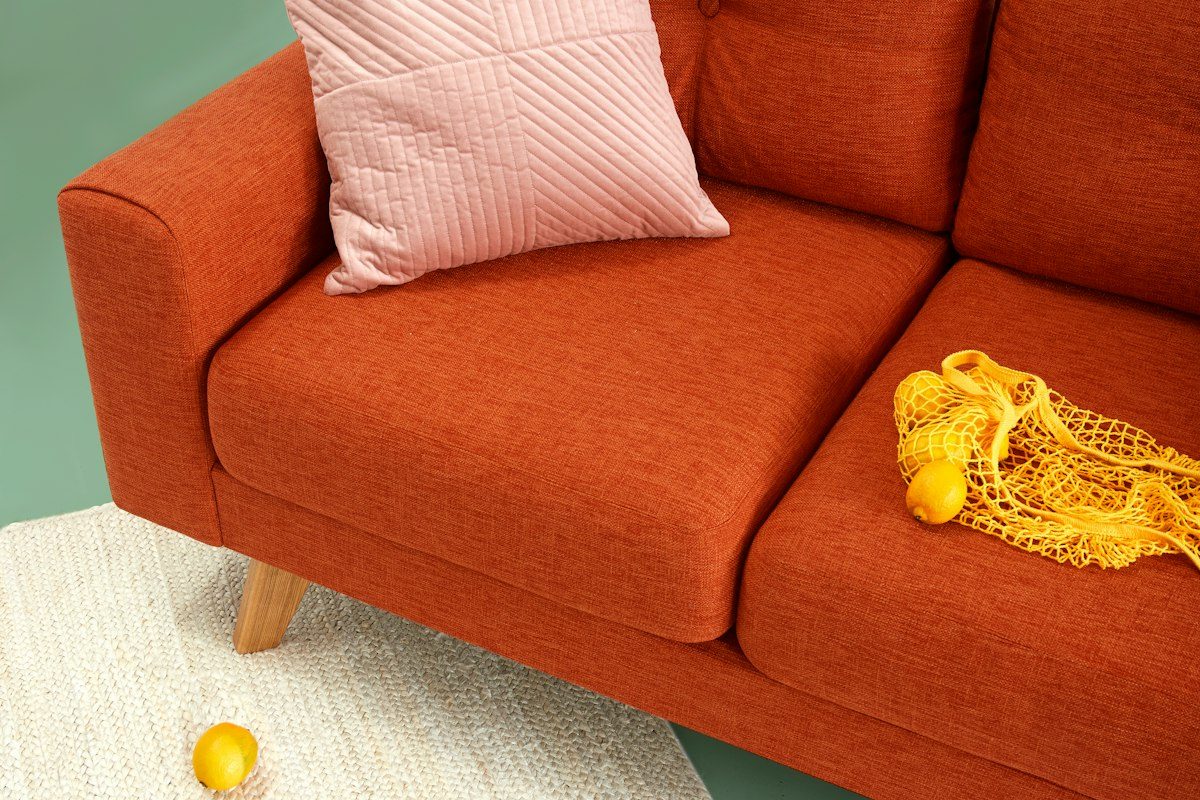
- Upholstered furniture – sofas, armchairs and fabric chairs.
- Rugs and carpets – the fibres trap dust and everything in it.
- Curtains, cushions and soft toys – textiles that are rarely washed.
- Shelves and ornaments – surfaces where dust quietly builds up.

Tips for less dust and fewer dust mites at home
- Wash bedding once a week at a higher temperature if the fabric allows it (usually 60 °C).
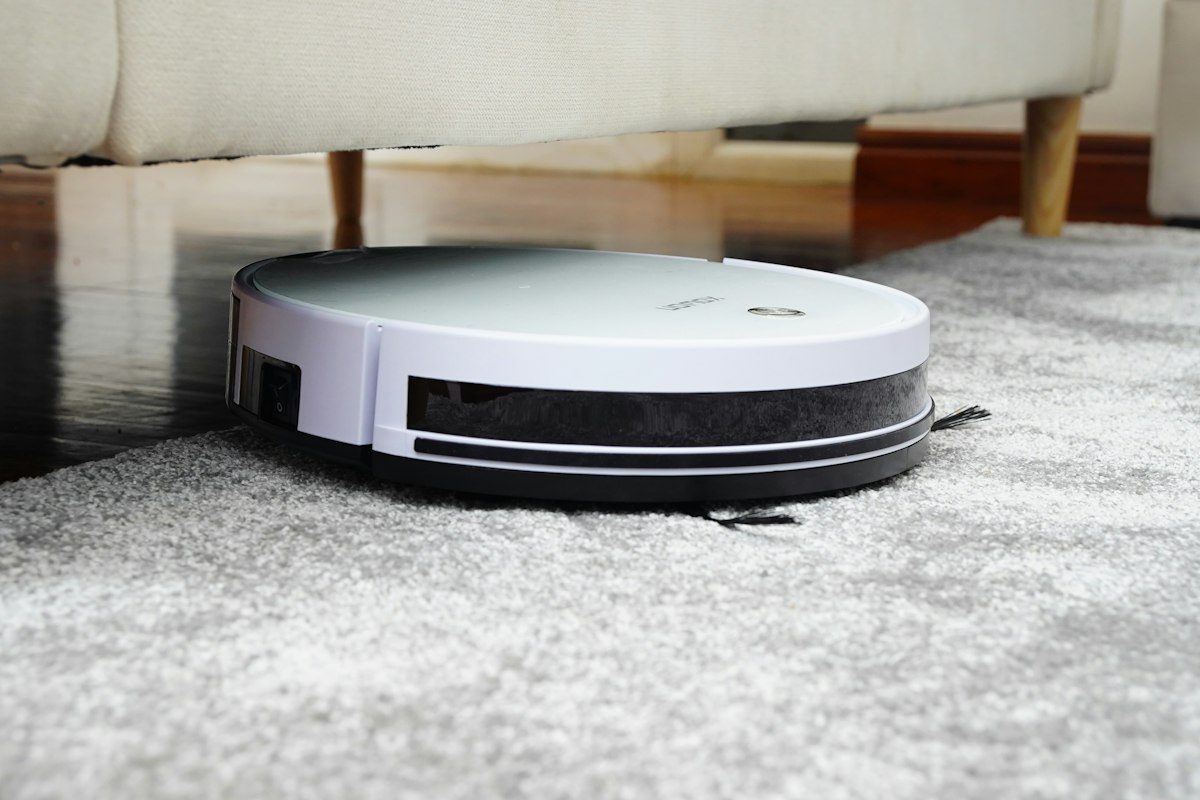
- Vacuum regularly, ideally with a vacuum cleaner with a HEPA filter, and don't forget the mattress, upholstered furniture and the edges of rugs.
- Dust with a damp cloth, because a dry cloth or feather duster only stirs dust up into the air.
- Air your rooms every day and make sure the air is not too humid, because dust mites love moisture.
- Cut down on “dust collectors” – cushions, small items on open shelves and textiles that are rarely washed.
- Use protective covers for the mattress and pillows that are easy to remove and wash.
Why deep cleaning furniture and mattresses matters
Ordinary vacuuming removes dust from the surface, but it does not reach deep into a mattress, sofa or armchair. That is exactly where dust, dust mites, bacteria and stains build up over time. In deep cleaning, a machine sprays water and a cleaning solution deep into the fabric and immediately vacuums it back out together with the dirt, so the results are visible during the cleaning itself.
People prone to allergies are advised to have upholstery and mattresses deep cleaned from time to time – for example once or twice a year – alongside regular cleaning at home.
When to see a doctor
These tips can help reduce dust and allergens at home, but they are not a substitute for medical advice. If your symptoms persist or get worse, see a doctor or an allergist, who can find the cause and recommend the right treatment.
How Vrednica can help
Vrednica Cleaning Agency in Belgrade offers upholstery deep cleaning – sofas, armchairs, chairs, mattresses and cushions – as well as regular home cleaning, which includes vacuuming and dusting. Contact us for an appointment and a price.